If you have ever looked down at your hands and noticed tiny, intensely itchy blisters tucked along the edges of your fingers, palms, or the soles of your feet, you are likely dealing with a specific and frustrating skin condition known as dyshidrotic eczema (also called pompholyx).
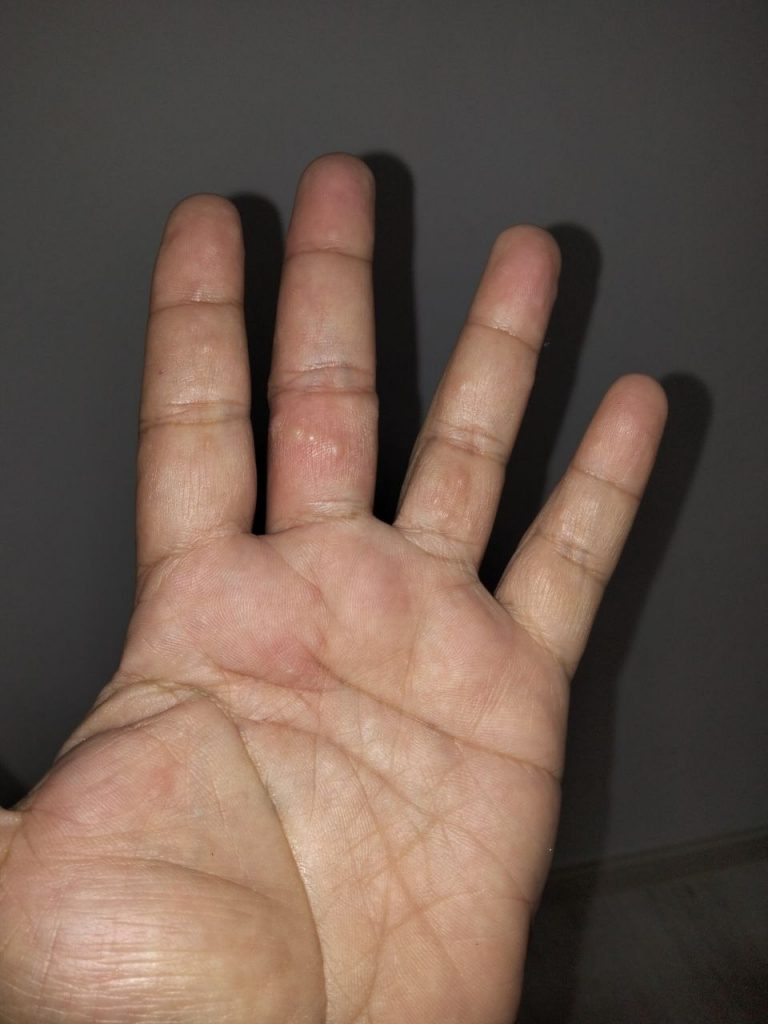
Unlike standard dry skin, this condition can pop up unexpectedly, bringing deep-seated itching and discomfort that can make everyday tasks a challenge.
Recognizing the Symptoms
Dyshidrotic eczema has a very distinct progression that sets it apart from other skin rashes:
- The Blister Phase: It typically starts with the sudden appearance of small, fluid-filled blisters (called vesicles). These blisters are often deeply embedded in the skin, giving the surface a bumpy texture rather than standing out as large, raised bubbles.
- The Intense Itch: The hallmark of the condition is an agonizing itch or burning sensation right before or as the blisters appear.
- The Healing & Peeling Phase: Over the course of 2 to 3 weeks, the fluid dries up, and the skin begins to peel, often leaving the underlying skin dry, cracked, red, and tender.
What Triggers It?
While the exact cause of dyshidrotic eczema isn’t fully understood, dermatologists have identified several common triggers that can prompt a flare-up:
- Stress: Emotional stress is one of the most frequent catalysts for flare-ups.
- Moisture and Sweat: Frequent handwashing, prolonged exposure to water, or sweaty hands can irritate the skin barrier.
- Irritants and Metals: Contact with harsh soaps, detergents, cleaning chemicals, or metals like nickel and cobalt can trigger a reaction.
- Seasonal Changes: Many people experience worsening symptoms during specific times of the year, particularly during warmer months or drastic temperature shifts.
How to Manage and Soothe the Skin
Because the skin barrier is compromised during a flare-up, treatment focuses on reducing inflammation, calming the itch, and protecting the skin as it heals:
- Moisturize Frequently: Apply thick, fragrance-free creams or ointments (like petroleum jelly or ceramide-rich balms) immediately after washing your hands while the skin is still slightly damp to lock in moisture.
- Break the Scratch Cycle: Scratching can rupture the blisters, increasing pain and opening the door for secondary bacterial infections. Cool compresses can help relieve the intense urge to scratch.
- Protect Your Hands: Wear gloves when doing housework, washing dishes, or handling chemical cleaners. If wearing rubber or latex gloves for long periods, consider wearing thin cotton gloves underneath to absorb sweat.
- Consult a Professional: For persistent or severe flare-ups, a healthcare provider or dermatologist can prescribe topical corticosteroid creams or specialized treatments to calm the inflammation quickly.
Disclaimer: Because skin conditions can share similar symptoms, it is always best to consult a healthcare professional or dermatologist for an accurate diagnosis and a personalized treatment plan.
Leave a Reply