When we think of wellness, we often compartmentalize our bodies. We hit the gym for our hearts, eat fiber for our digestion, and brush our teeth to keep our smiles bright. However, emerging medical science is revealing that these systems are far more integrated than we once thought. Specifically, the “Oral-Gut Axis” is proving to be a critical biological bridge where the health of your gums can directly dictate the state of your digestive system.
The Microbial Commute
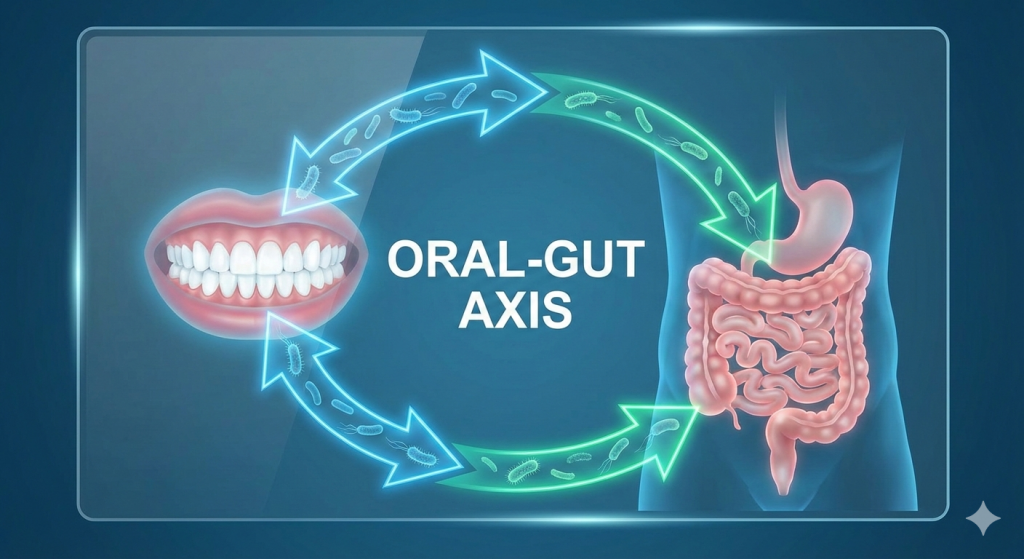
The mouth is not a closed system; it is the primary gateway to the rest of the body. Home to trillions of microbes, the oral cavity hosts one of the most complex ecosystems in the human frame. Every time we swallow, we aren’t just transporting food; we are transporting a cargo of bacteria.
In a healthy individual, the stomach’s acidic environment acts as a barrier. However, when oral hygiene is neglected, harmful bacteria—such as those associated with gum disease—can become resilient enough to survive the journey. Once they colonize the gut, they can release toxins that disturb the delicate balance of “good” bacteria, triggering a cascade of inflammatory responses.
The Domino Effect: From Gums to Bowels
The link between the mouth and the gut is most visible in chronic inflammatory conditions. Recent studies have highlighted a startling correlation: individuals with periodontitis (advanced gum disease) are significantly more likely to suffer from inflammatory bowel diseases (IBD) like Crohn’s disease or ulcerative colitis.
This isn’t merely a coincidence. Pathogenic bacteria from the mouth can travel to the intestines and activate immune cells, leading to systemic inflammation. Essentially, a “fire” starting in the gums can spread smoke throughout the digestive tract, making it harder for the body to maintain its natural defenses.
A Two-Way Street
The relationship between these two regions is a biological “two-way street.” While oral bacteria can damage the gut, digestive issues can also leave their mark on the mouth.
Consider Gastroesophageal Reflux Disease (GERD). When stomach acid frequently backflows into the oral cavity, it does more than cause heartburn; it aggressively erodes tooth enamel. This thinning of the teeth leads to extreme sensitivity and permanent structural damage. Furthermore, the loss of teeth—often a result of long-term neglect—has been found to reduce levels of Faecalibacterium, a vital gut microbe known for its anti-inflammatory properties.
The Functional Link: Chewing and Nutrition
Beyond the microscopic level, there is a practical, mechanical connection. Our teeth are the first step in the digestive process. When oral health declines, chewing becomes uncomfortable or even painful.
This often leads to a “dietary shift.” People with dental pain tend to avoid high-fiber, crunchy foods like raw vegetables, fruits, and lean meats, opting instead for soft, processed carbohydrates. These processed alternatives lack the essential nutrients and fiber required to keep the gut microbiome thriving, leading to a secondary cycle of poor nutrition and digestive sluggishness.
Redefining Your Routine
The takeaway for 2026 and beyond is clear: dental care is not “optional” or purely cosmetic—it is a cornerstone of preventative medicine. To protect your gut, you must first protect your gateway.
- View Bleeding Gums as a Warning: Do not ignore minor bleeding during brushing. It is a sign of inflammation that could be affecting your systemic health.
- The Power of Prevention: Regular dental check-ups are essential because gum disease is often “silent”—it doesn’t always hurt until the damage is irreversible.
- A Holistic Lifestyle: Habits like smoking don’t just stain your teeth; they restrict blood flow to oral tissues and fuel the very inflammation that disrupts gut harmony.
By shifting our perspective and treating oral hygiene as an essential part of digestive wellness, we can do more than just save our teeth—we can safeguard our entire internal ecosystem. Good health, it seems, truly does start from the top down.
Leave a Reply