Managing chronic respiratory conditions requires the right medical tools, and few devices are as widely relied upon for targeted lung care as the nebulizer. Whether used in clinical settings or at home, this machine plays a vital role in helping individuals breathe more comfortably.
What Is a Nebulizer?
A nebulizer is a medical device designed to turn liquid medication into a fine, breathable mist. By delivering the medicine directly to the airways and lungs through a face mask or mouthpiece, the treatment acts swiftly where it is needed most.
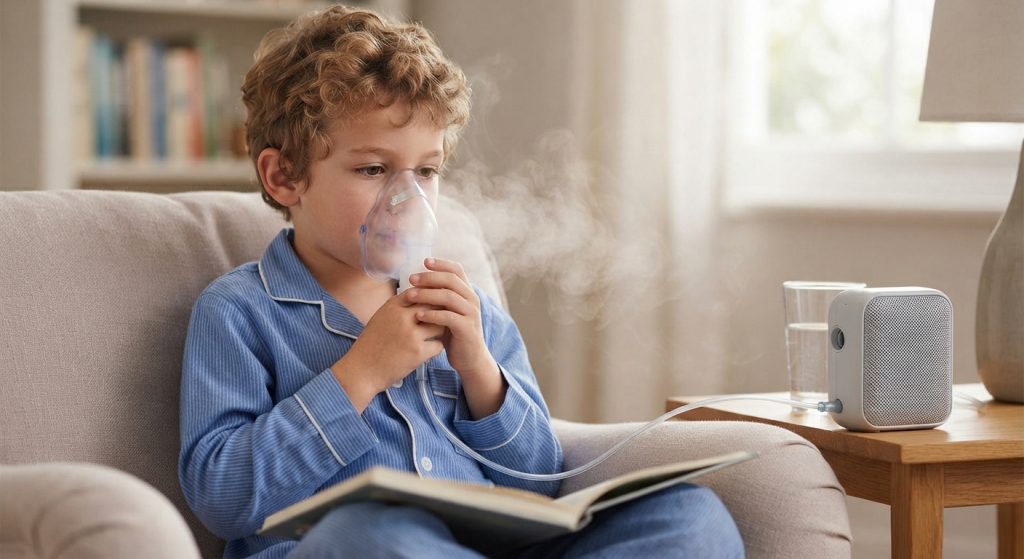
Unlike traditional handheld inhalers—which often require precise hand-breath coordination—nebulizers allow patients to simply sit back and breathe normally while the machine does the work. This makes them especially valuable for young children, older adults, or individuals experiencing severe respiratory flare-ups.
Common Conditions Treated
Medical providers prescribe nebulizer therapies to manage a variety of acute and chronic lung conditions, including:
- Asthma: Delivering bronchodilators to quickly open tight airways during a flare-up.
- Chronic Obstructive Pulmonary Disease (COPD): Helping relieve chronic breathlessness, coughing, and wheezing.
- Cystic Fibrosis and Bronchiectasis: Administering thinning agents or specialized medications to help clear thick mucus from the lungs.
- Respiratory Infections: Delivering targeted treatments like antibiotics or sterile saline solutions when prescribed by a doctor.
Main Types of Nebulizers
Depending on lifestyle, portability needs, and medical requirements, patients generally use one of three primary types of nebulizers:
- Jet Nebulizers: The most common variety, which uses compressed air to create the medicinal aerosol mist.
- Ultrasonic Nebulizers: These utilize high-frequency sound vibrations to break liquid medication into a vapor quietly and efficiently.
- Mesh Nebulizers: Compact and highly portable, these pass liquid through a microscopic mesh to generate a very fine mist.
Best Practices for Safe Use and Maintenance
To ensure your nebulizer remains effective and safe, proper hygiene is essential. Because moist environments can easily harbor bacteria, the medicine cup, mask, and mouthpiece should be thoroughly washed with warm, soapy water after each use and regularly sanitized according to the manufacturer’s guidelines.
Always consult a healthcare provider or pulmonologist to ensure you are using the correct medication dosages, proper device settings, and a treatment schedule tailored specifically to your respiratory health.
Leave a Reply