In our modern, high-density urban environments, we often think of “health” as something we find in a gym, a supplement bottle, or a doctor’s office. However, a new study published in BMC Public Health suggests that the key to managing metabolic health might actually be right outside your back door.
Researchers from the University of Queensland have discovered a compelling link between greenery and a lower risk of type 2 diabetes. Analyzing data from over 19,000 participants in the UK Biobank, the study reveals that our physical surroundings play a larger role in our long-term wellness than previously realized.
The Green Advantage
The findings paint a clear picture for urban living:
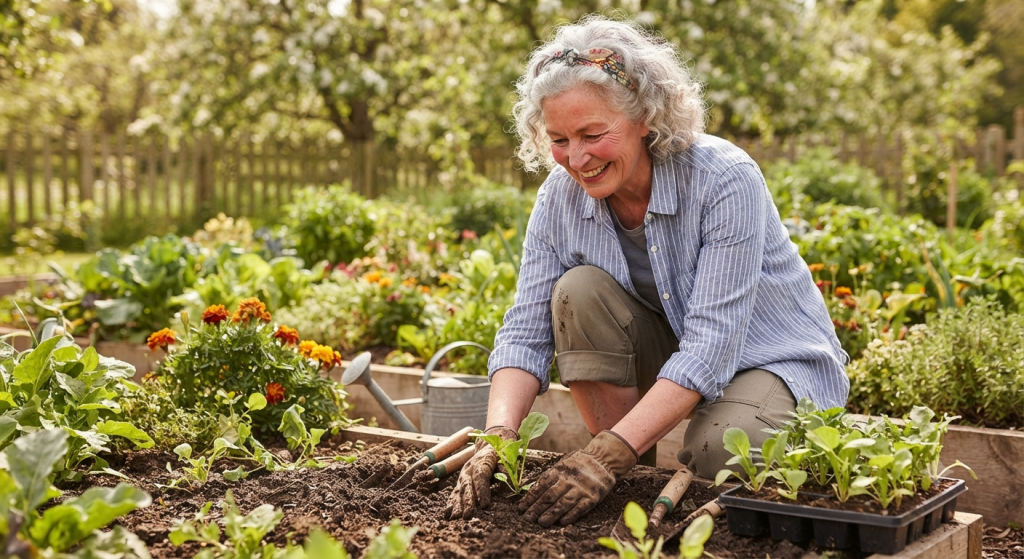
- The Garden Factor: Individuals who have access to a substantial home garden saw their risk of developing type 2 diabetes drop by 6.8%.
- The Park Proximity: Living near multiple public parks was associated with a 5.7% lower risk of the disease.
“Current housing challenges mean there are more high-density residential dwellings under development,” said lead author Chinonso Odebeatu. “This research shows public health considerations need to be prioritized when planning green spaces”.
Why Does Nature Help?
The connection isn’t just about the aesthetics of a pretty garden. Researchers believe that spending time in green spaces fosters a “triple-threat” of health benefits:
- Movement: Gardens and parks naturally invite us to be more active, whether through casual walking or the physical labor of tending to plants.
- Nutrient & Mental Support: Exposure to sunlight helps with vitamin D production, while the psychological relief of nature helps manage stress—a known trigger for metabolic issues.
- Microbial Diversity: Spending time in the soil and outdoors may improve gut health and strengthen the immune system through exposure to a wider range of beneficial microbes.
A Growing Global Concern
This study arrives at a critical time. With over 500 million people currently living with diabetes worldwide—a number projected to reach a staggering 1.31 billion by 2050—the need for simple, preventative lifestyle changes is urgent.
While we can’t always control the urban planning of our cities, this research serves as a gentle nudge to value our green spaces. Whether it’s starting a small container garden on your balcony, volunteering at a community park, or simply choosing a greener route for your daily walk, integrating nature into your routine may be one of the most effective ways to invest in your future health.
Leave a Reply