The world is facing a critical threat from antimicrobial resistance (AMR), with drug-resistant superbugs projected to cause millions of deaths annually by 2050. Compounding this challenge are the traditionally slow and prohibitively expensive processes of drug discovery. However, a Canadian research team has developed a novel solution, using Artificial Intelligence (AI) to dramatically accelerate the search for new life-saving treatments.
The AI Solution: Faster, Smarter Drug Discovery
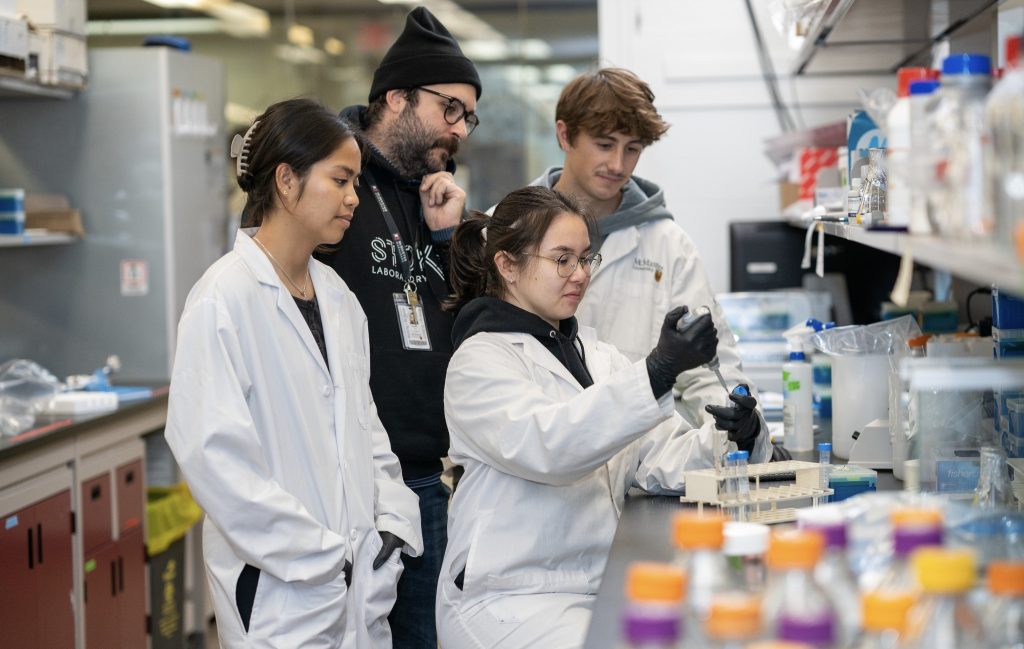
Led by Dr. Jonathan Stokes at McMaster University, researchers have successfully trained a specialized “superbug killing” algorithm capable of predicting which molecular compounds hold the most promise for developing effective new drugs, such as antibiotics.
The key advantage of this AI-driven approach is its speed and efficiency. A modern AI algorithm can rapidly sift through billions of molecular compounds, a task that would take human scientists decades. This capability is crucial in the race against rapidly evolving bacteria.
In a significant success, the team’s AI model identified a compound with immense potential to combat Acinetobacter baumannii, a dangerous pathogen known to cause deadly infections like pneumonia and sepsis in vulnerable hospital patients.
Bridging the Gap Between Code and Cure
Dr. Stokes and his team recognized that designing a perfect molecule on a computer is only the first step. The true hurdle in drug development often lies in the feasibility of synthesizing that chemical in a real-world lab and then translating it into an accessible medication.
To bridge this gap and ensure their discoveries move from digital design to patient care, Dr. Stokes launched Stoked Bio, an independent biotech startup. The company works closely with the McMaster Industry Liaison Office to simplify and accelerate the entire drug discovery and development pipeline in Canada.
Stoked Bio is leveraging AI models to target therapeutic areas with significant clinical needs, focusing on treatments not only for drug-resistant bacterial and fungal infections but also for viral infections and cancer. By combining advanced computational power with real-world synthesis, this made-in-Canada initiative aims to deliver urgently needed therapeutics to combat one of the most pressing health crises of the 21st century.
Leave a Reply