As participation by women and girls in athletics surges globally, a corresponding rise in injury risk has prompted a critical response from the medical and sports communities. A landmark initiative, the Female/woman/girl Athlete Injury pRevention (FAIR) Consensus Statement, has been released, urging a comprehensive, gender-specific overhaul of the sports environment to better protect female athletes.
Convened by the International Olympic Committee (IOC), a panel of global specialists developed 56 practical recommendations, emphasizing that preventing injuries goes beyond physical training—it requires a safe, equitable, and psychologically supportive ecosystem.
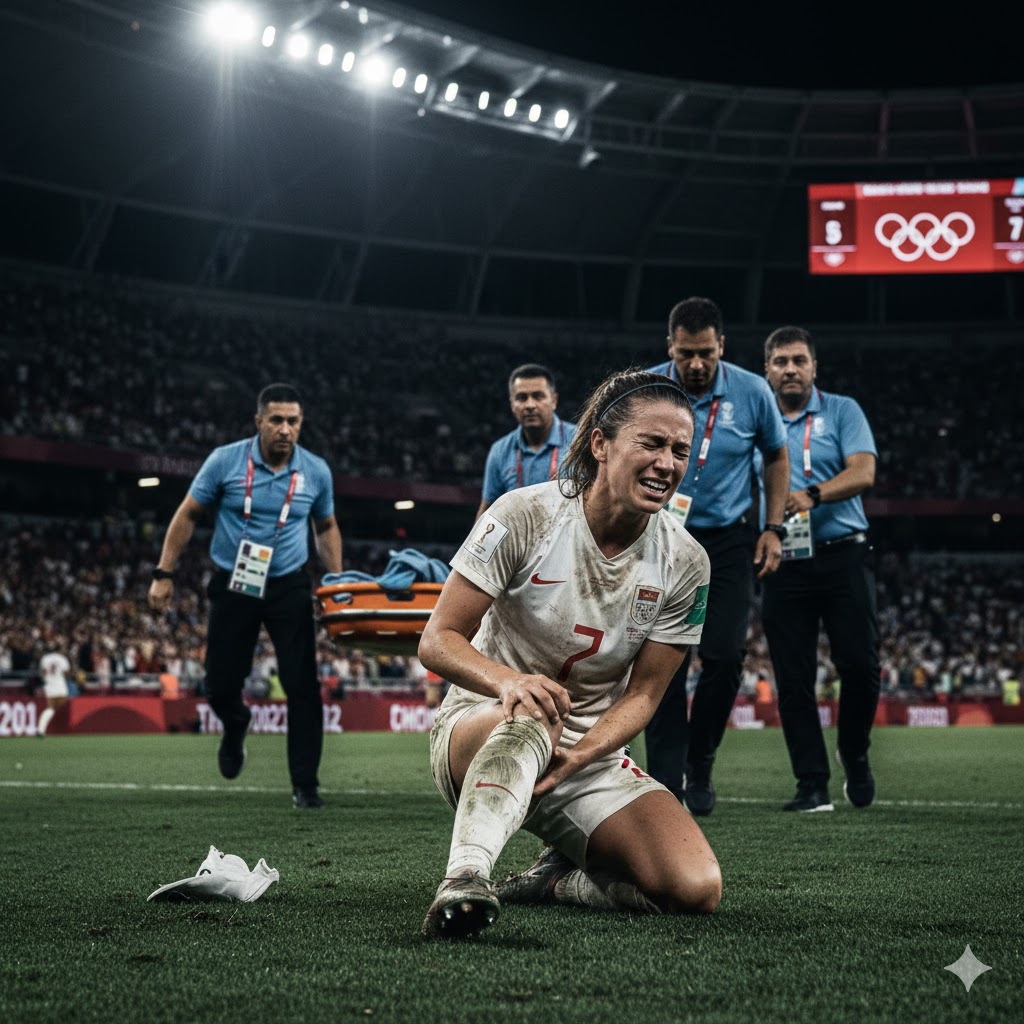
The Need for Gender-Specific Intervention
Historically, injury prevention research has often been male-centric, leaving a knowledge gap regarding the specific biomechanical, hormonal, and environmental factors that increase risk in female athletes. The FAIR Consensus Statement aims to fill this gap, stressing that successful injury prevention hinges on addressing female athletes’ unique needs across the “whole sports system.”
Key areas of focus include:
- Gender Bias in Resources: The statement calls for an end to unequal resource allocation. This includes ensuring equitable funding, access to expertise, appropriate gender-specific uniforms and equipment, and surveillance systems that utilize female-specific health codes.
- The Psychological Environment: Experts emphasize the non-negotiable need to “Create safe spaces free from body shaming” or the promotion of unrealistic body ideals. This supportive culture is critical for protecting mental health and encouraging open dialogue about sensitive issues like pregnancy, bone health, and breast care without fear of judgment or repercussions.
- Policy and Culture: Policies must be established and enforced to tackle interpersonal violence and harassment and eliminate both unconscious and explicit social and cultural biases against women and girls in sport.
Mandatory Strategies for Physical Protection
The FAIR recommendations detail specific, mandatory measures designed to mitigate common and severe risks, starting early in an athlete’s development:
- Neuromuscular Training (NMT): This is mandated as a primary prevention strategy. All sports and age groups must incorporate mandatory NMT warm-ups lasting a minimum of 10 minutes, twice a week, to ward off first and recurrent leg injuries, which are often non-contact and related to landing mechanics.
- Head and Body Contact Rules: Rules and policies must be implemented and enforced to penalize unlawful head/body contact across all sports.
- Injury Management: There is a call for mandatory injury management protocols to effectively prevent and treat conditions, particularly concussion.
- Protective Equipment: Specific equipment mandates are highlighted:
- Helmets for all cyclists, skiers, snowboarders, skateboarders, and horse riders.
- Mouthguards for all child and teen ice hockey players.
- Neckguards/protectors for collision/contact ice sports.
The experts acknowledge that these recommendations must be flexible and responsive to diverse contexts, including different cultures, geographies, and levels of participation. Ultimately, the success of the FAIR Statement relies on every person in the sports community—from the athlete and coach to policymakers—taking “responsibility to carefully consider and action these recommendations” to bolster the health and safety of the female athlete.
Leave a Reply