Hand, Foot, and Mouth Disease (HFMD) is one of those childhood illnesses that can strike suddenly, turning a household upside down. While it is extremely common—especially among children under the age of five—watching your child deal with fever and discomfort can be stressful.
Understanding how the illness progresses, how it is identified, and how to manage it at home can help you navigate the infection with confidence.
Recognizing the Symptoms: How HFMD Unfolds
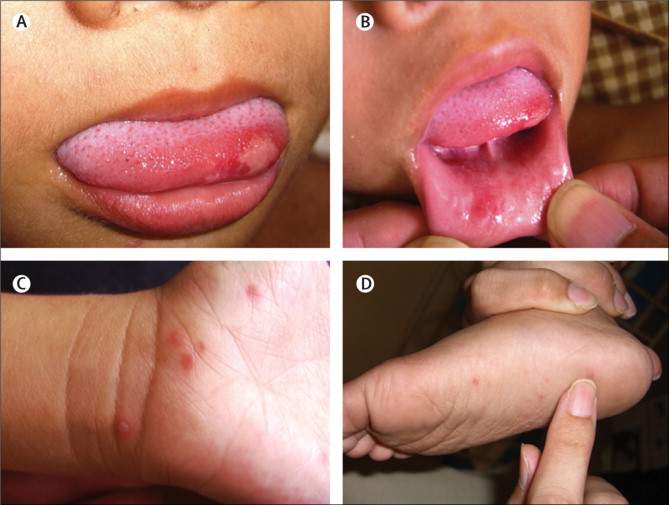
HFMD typically starts like a standard viral bug before developing its signature physical signs. The illness generally runs its course in 7 to 10 days.
- The Early Stage (Days 1 to 2): The infection often begins with flu-like warning signs, including a low-grade fever, a sore throat, fatigue, and a reduced appetite.
- The Hallmark Signs (Days 2 to 4): This is when the classic symptoms appear:
- Mouth Sores: Small red spots develop on the tongue, gums, and inner cheeks, which soon turn into painful ulcers. These can make eating and swallowing uncomfortable, sometimes leading to excessive drooling.
- The Skin Rash: A distinct, non-itchy rash of flat or raised red spots—sometimes featuring small blisters—appears on the palms of the hands, the soles of the feet, and frequently around the buttocks or diaper area.
How Is HFMD Diagnosed?
In most cases, a doctor can diagnose Hand, Foot, and Mouth Disease through a physical examination alone. The unique visual combination of mouth ulcers alongside a blistered rash on the hands and feet is usually distinct enough that laboratory tests or throat swabs are unnecessary.
If your child develops these symptoms, a quick consultation with your pediatrician (or via a telehealth visit) can confirm the diagnosis and give you peace of mind.
What Parents Need to Do: Home Care and Comfort
Because HFMD is caused by a virus (most commonly coxsackievirus), antibiotics will not help. Instead, treatment focuses entirely on keeping your child comfortable while their immune system fights off the infection.
- Prioritize Hydration Above All: The most significant risk with HFMD is dehydration, as mouth ulcers make drinking painful. Encourage frequent sips of cool water, milk, or oral rehydration solutions. Cold treats like ice pops, smoothies, or yogurt can soothe throat pain while keeping fluid intake up. Avoid acidic juices or sodas, as they can sting the mouth sores.
- Manage Pain and Fever: Over-the-counter pain relievers or fever reducers like acetaminophen or ibuprofen can help ease discomfort and lower fevers. Never give aspirin to children.
- Practice Strict Hygiene: HFMD spreads easily through saliva, fluid from blisters, and stool. Frequent handwashing, thoroughly cleaning shared toys, and avoiding the sharing of cups or utensils will help prevent the virus from sweeping through the rest of the family.
When to Seek Medical Attention
While most cases resolve smoothly at home, parents should monitor closely for complications. Contact a healthcare provider immediately if your child exhibits red flags such as:
- Signs of severe dehydration (no wet diapers or urination for 8+ hours, crying without tears, or extreme lethargy).
- A fever that persists for more than three days.
- Unusual sleepiness, a stiff neck, severe headache, or neurological changes.
By staying patient, focusing on hydration, and keeping comfort a priority, you can help your child comfortably bounce back to their normal routine.
Leave a Reply